What is organic cotton pillow fill, and what four forms does it come in?
Organic cotton makes up a thin slice of the world's crop. By Textile Exchange's estimate, 1.4% of all cotton grown in 2020/21 was organic (Textiles Partnership, citing Textile Exchange). The share that ends up inside pillows is smaller again, and on some listings the word "organic" describes only the cover. This page covers what the fill is, the four forms sellers offer it in, and how much of it goes into a standard pillow.
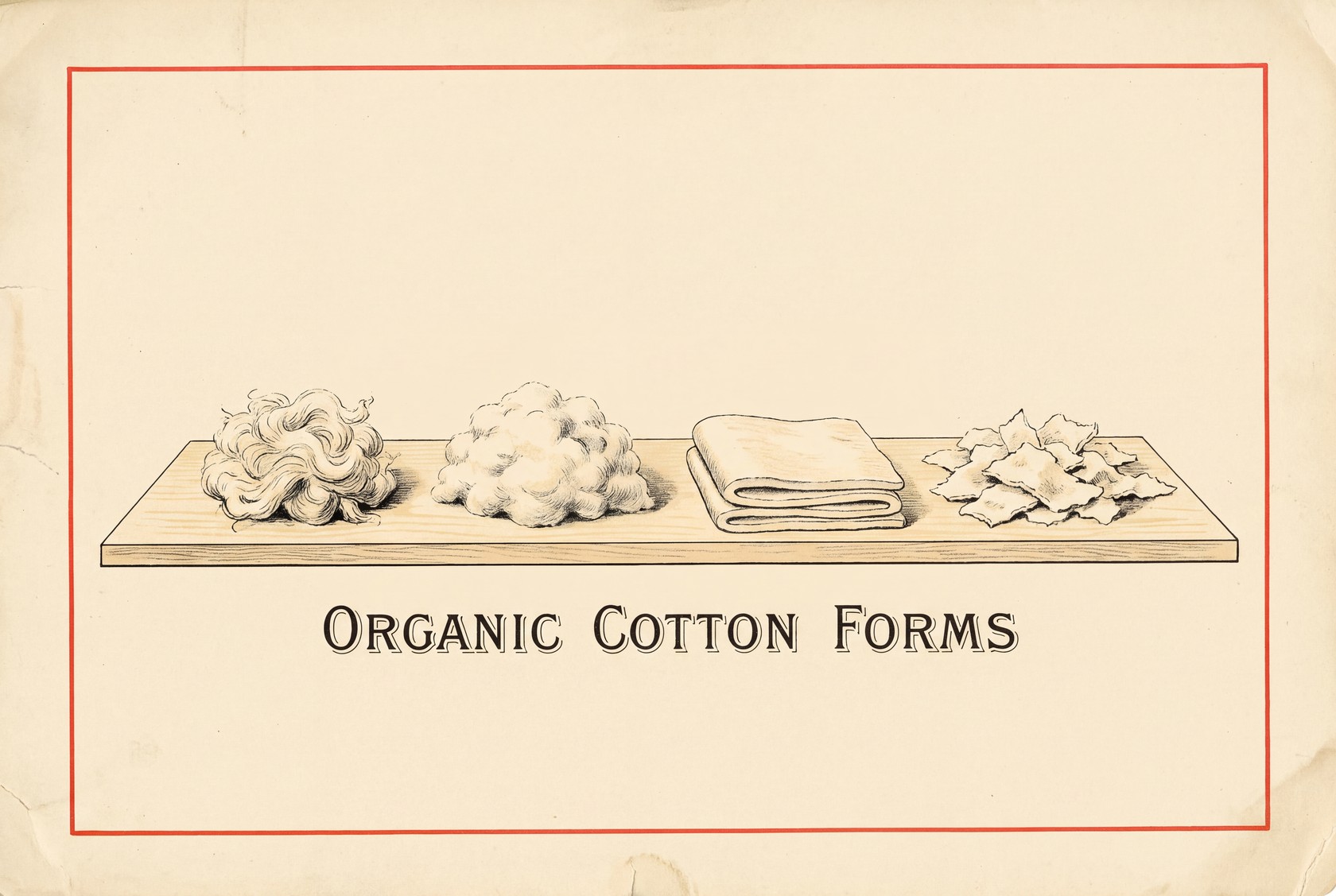
Short answer: Organic cotton pillow fill is cotton grown under organic farm rules and then made into stuffing. Sellers offer it in four forms. There is raw fiber that has been ginned, but has not been carded (Organic Cotton Plus), loose fluffed stuffing, batting made of layered webs, and cut pieces of batting. One seller fills its standard pillow with 2.7 to 4 pounds (Rawganique).
This guide is for: people in the United States comparing organic cotton pillows or refill bags who want to know what the cotton inside looks like and how it is sold.
Key Takeaways
- Organic cotton pillow fill is sold in 4 forms: raw ginned fiber, loose fluffed stuffing, batting in sheets or rolls, and cut batting pieces.
- A label from GOTS, the Global Organic Textile Standard, that says "organic" means at least 95% organic fiber, and "made with organic" means at least 70%, as the labels table below shows with its source.
- We read 8 seller pages on September 26, 2026, and only 1 of them said how many pounds of cotton were inside.
On This Page
What is organic cotton pillow fill?
Organic cotton pillow fill is cotton fiber grown to organic rules and processed into a stuffing, not the fabric on the outside of the pillow.
Pillow fill is whatever sits inside the shell and gives the pillow its height and give. If the fill is organic cotton, the fiber came from plants grown to recognised organic farming standards, without synthetic pesticides, herbicides or GMOs (Global Standards). After harvest it is ginned to take out the seeds. Then it is opened, fluffed or layered into something that can be packed into a pillow. It is the same plant fiber as your sheets, but for fill the aim is bulk and spring rather than a smooth yarn.
The word "organic" on a pillow does not tell you which part is organic. A shell of organic cotton fabric can hold a fill made of something else, and the product name may not make that clear. One listing we read has a cover of organic cotton fabric and a fill of PLA batting made from non-GMO sugarcane (Naturepedic). PLA is a plant-based plastic, not cotton.
So start every listing with one question: what is inside, and is that part organic cotton? Our page on what cotton fill is covers the fiber in general. This page sticks to the forms organic cotton takes once it is ready to go into a pillow, and to what sellers tell you about it.
What makes cotton fill organic in the United States?
In the US, cotton fiber is organic under USDA farm rules, and a finished pillow may be sold as organic if it is certified to GOTS or USDA rules.
Two sets of rules apply here, and each covers a different stage. USDA organic rules cover the farm, not the factory. The Organic Trade Association notes that USDA rules cover raw farm crops such as cotton and wool, but do not include specific processing or manufacturing standards for textile products (Organic Trade Association).
A processing standard covers the rest. According to the USDA, textiles that meet GOTS may be sold as organic in the U.S., but labels may not imply the finished product is USDA organic or use the USDA organic seal unless it is certified to the USDA organic regulations (USDA AMS). GOTS also requires each company involved in processing the product to be certified by an approved independent Certification Body (Global Standards).
Look for a claim that covers the whole pillow, including the cotton inside it. A claim about the cover fabric tells you nothing about what is under it. Some fill sellers also say where their cotton comes from: one says its loose stuffing is grown and milled in the USA (Organic Cotton Plus), which gives you something concrete to ask other sellers about.
| Claim you may see | What it requires | Source |
|---|---|---|
| GOTS "organic" | At least 95% organic fiber | Global Standards |
| GOTS "made with organic" | At least 70% organic fiber | Global Standards |
| USDA organic seal on the pillow | Finished product certified to USDA organic rules | USDA AMS |
What are the four forms organic cotton fill comes in?
Sellers offer organic cotton fill as raw ginned fiber, loose fluffed stuffing, batting in sheets or rolls, and cut pieces of batting.
US sellers offer organic cotton for stuffing in four distinct forms. What separates them is how much work has been done on the fiber since the gin, and that decides how it behaves inside a pillow.
- Raw ginned fiber. This is cotton with the seeds taken out and little else done to it. One supplier says its raw cotton has been ginned, but has not been carded (Organic Cotton Plus).
- Loose fluffed stuffing. This is fiber opened into soft tufts and sold in bags. The same supplier sells it in a one-pound bag of loose fiber, sold by weight, not volume, and notes that the bag does not come in sheets (Organic Cotton Plus).
- Batting. This is fiber combed into thin webs and stacked into a sheet. A bedding trade glossary describes fibers combed into a specific orientation and formed into a thin web, which are then layered to create a batting (BedTimes).
- Batting pieces. These are offcuts, sold loose. One listing offers a pound of organic cotton cut off the edges of batting and suggests it for pillow stuffing (Poshmark listing).
| Form | What it is | How it is sold | Seller page |
|---|---|---|---|
| Raw ginned fiber | Seeds removed, not carded | By the pound | Organic Cotton Plus |
| Loose fluffed stuffing | Fiber opened into tufts | One-pound bags, by weight | Organic Cotton Plus |
| Batting | Thin webs layered into a sheet | By the yard or roll | Organic Cotton Plus |
| Batting pieces | Offcuts cut from batting | By the pound | Poshmark listing |
How is cotton batting different from loose cotton stuffing?
Batting is fiber combed into thin webs and layered into a sheet, while loose stuffing is fiber fluffed into tufts that you can pull apart by hand.
What separates them is structure. Batting holds together as a layer, while loose stuffing is a heap of separate tufts. That one difference decides how each feels under your head and how easily you can change it.
In batting, the fibers lie roughly lined up in stacked webs. Inside a pillow, those layers give an even surface with the same height across the whole face. Quilters know the weak point of the plain kind: batting whose fibers are carded and layered but not bound together can migrate, shift and bunch together (AAQuilting). Other batting is put through a machine that uses thousands of needles to punch the fibers down, which makes a more stable sheet. The pillow pages we read rarely say which kind they use.
Loose stuffing gives up that evenness in exchange for control. You can take out a handful to lower the pillow or push more in to raise it. The downside is lumps when tufts clump together.
Raw fiber is one step further back. One seller notes that the cotton is ginned and then garneted, and these processes leave some natural fragments in the cotton (HoneyBeGood). Another recommends a dust mask when handling cotton batting, as dust and loose fibers may cause irritation (Organic Cotton Plus). We think raw fiber is a craft material. For a bed pillow, most people will get on better with stuffing or batting.
How much cotton fill goes into a standard pillow?
The one seller we found that lists fill weight puts 2.7 to 4 pounds in a standard pillow, and more cotton gives you a firmer, taller pillow.
Fill weight is the most useful number a cotton pillow listing can give you. Height drops as the cotton packs down, but the amount of cotton inside stays the same. More cotton in the same case gives you a firmer, taller pillow, so the weight tells you roughly how it will feel.
Only one of the sellers we read publishes a fill weight. It lists its standard 20 by 26 inch pillow at 2.7 pounds for soft, rising to 4 pounds for firm (Rawganique). In our judgement, people who sleep on their stomach will want the lighter end, and side sleepers who need more under the head will want the heavier end.
| Firmness | Fill weight |
|---|---|
| Soft | 2.7 lb |
| Medium | 3.3 lb |
| Firm | 4 lb |
Source: Rawganique, standard pillow.
Sellers often use the word "loft" for how tall a pillow stands. This page calls it height. A height figure without a weight describes the pillow on the day it was made, not a year later. One seller gives a thickness for each fill level, from about three and a half inches for light fill to about four and a half for extra thick (Natural Linens). That helps you picture the pillow, but it says little about how firm it will be after months of use.
If a listing gives neither weight nor height, ask the seller before you buy. Our guide on what to check before buying an organic cotton pillow lists the other questions worth asking.
What do product pages say about the fill inside?
Of eight seller pages we read, one gave a fill weight, five named cotton fill without one, and two used organic cotton only for the cover.
We read 8 US product pages on September 26, 2026. Each was for a bed pillow with organic cotton in its name or description. We sorted them by one question: does the page tell you what the fill is and how much of it there is? The table records what the pages say and nothing beyond that.
| What the page states | Pages | Which pages |
|---|---|---|
| Fill is organic cotton, and a fill weight is given | 1 | Rawganique |
| Fill is organic cotton, but no weight appears in the text we read | 5 | Pure Living Space standard; Pure Living Space with organic cover; Pike's Brand; Sachi Organics; earthSake |
| Organic cotton is the cover only, and the fill is PLA batting | 2 | Naturepedic; The Organic Bedroom |
Two patterns stand out. Only one of the eight pages told you how many pounds of cotton were inside. The two PLA pillows do name their fill openly, but you only find that out by reading past the product name.
The count also makes the choice look wider than it is. The Pike's Brand and Sachi Organics pages share the same materials text (Pike's Brand; Sachi Organics). Eight pages, then, do not mean eight makers. Of the six cotton-filled pages, four name batting as the form. The other two, Rawganique and earthSake, do not name a form in the text we read.
Which form of cotton fill should you choose?
Batting pillows suit people who want even, steady height; loose stuffing suits people who want to add or remove fill until the pillow feels right.
The right form depends on what you want the pillow to do and how much adjusting you are willing to do. The table below is our judgement, based on how the sellers above describe each form. No maker publishes this comparison, and it ranks no product.
| If you want | Form to look for | What you give up |
|---|---|---|
| Even, steady height across the pillow | Batting | Harder to fine-tune without opening the pillow |
| To set the height yourself | Loose stuffing, in a zippered pillow | Tufts can clump and need shaking out |
| To top up an older pillow cheaply | Stuffing or batting pieces, bought by the pound | Pieces vary in size and feel |
| To card or process fiber yourself | Raw ginned fiber | Plant fragments and dust to deal with |
For most people buying a finished pillow, the sensible choice is batting with a zipper. Batting gives you the even surface. The zipper means you are not stuck with whatever height the maker picked. Pure Living Space, for example, offers a zipper so you can remove some of the cotton until the support suits you (Pure Living Space).
Loose stuffing works better as a refill than as the whole pillow, unless you like adjusting often. Raw fiber is for people who plan to card it at home. If you have not yet decided whether cotton suits you at all, our page on whether a cotton pillow is worth buying compares it with other fills.
Does cotton fill flatten, and can you add more?
Cotton fill packs down with use, and sellers say so openly, so a pillow with a zipper that lets you add fill will last longer.
Yes, cotton packs down, and sellers say so openly. One maker writes that natural fiber pillows will compress over time but they remain comfortable and supportive (Sachi Organics). Another puts extra fill inside so you can unzip and adjust it, then keep the spare cotton for later in case the pillow compresses over time (earthSake).
Plan to top up, and buy refill by weight. Refill bags are sold by weight, not volume (Magnolia Organics), so a pound is a pound whether the cotton arrives packed tight or fluffed up. The form you add matters too. In our judgement, loose tufts sit apart from the layers in a batting pillow, and batting pieces come closer to matching the original feel.
Washing flattens cotton faster than anything else. One fill seller does not recommend machine washing because, as a purely organic material, it does clump up a bit. Its advice is that it's best to remove the covering before washing, or spot clean the stuffed item (HoneyBeGood). A pillow maker gives the same advice more bluntly: spot clean only, and do not machine wash cotton fill (Sachi Organics). A removable cover over the pillow gives you something you can wash, so the cotton can stay dry.
Common questions
Short answers to the questions people ask most often about organic cotton fill, from washing and labels to refilling a pillow.
Is organic cotton fill the same thing as cotton batting?
No. Batting is one of the four forms. The others are raw ginned fiber, loose fluffed stuffing and cut batting pieces. Most finished pillows we read use batting, and refill bags tend to be loose stuffing.
Does "organic cotton pillow" mean the fill is organic cotton?
Not always. Two of the eight pages we read used organic cotton for the cover and PLA fiber for the fill. Read the fill line on the listing, not the product name.
How many pounds of cotton should a standard pillow hold?
The one seller we found that states it lists 2.7 pounds for a soft standard pillow and 4 pounds for a firm one (Rawganique). More cotton gives you a firmer, taller pillow.
Can you machine wash a cotton-filled pillow?
The sellers we read mostly advise against it, because cotton fill clumps when washed. Wash the removable cover and spot clean the pillow itself.
Is raw cotton fiber a good choice for a bed pillow?
In our judgement, not for most people. Raw fiber has been ginned but not carded, so it still carries plant bits and dust. Loose stuffing or batting is the easier choice.
Where does US organic cotton fill come from?
Several sellers we read name Texas. One pillow page says its batting fill uses cotton from Texas (Pure Living Space), and one fill seller says its stuffing is grown and processed in Texas (HoneyBeGood).